Exactly How Artificial Roofing Tiles Take On Snow Loads and Warmth Waves
Homeowners usually notice a roofing system when it leakages, sheds granules into the seamless gutter, or starts to crinkle at the edges. Specialists see something else first, how a roof takes care of stress and anxiety with time. Snow tons, freeze-thaw cycles, wind-driven ice, attic room heat buildup, direct summer season sunlight, and sudden temperature level swings all leave hints. Those hints appear in fractured tabs, popped bolts, warped outdoor decking, reduced service life, and, in serious instances, structural strain.
That is why synthetic roofing shingles have drawn a lot focus in recent times. They are usually marketed for appearances, particularly when a property owner desires the account of slate, cedar shake, or other high-end products. But their performance story matters equally as much. When you are comparing roof products for an area that sees both hefty winter months storms and punishing summer heat, appearance is only part of the equation.
In markets like the Midwest, and especially around artificial roofing Chicago tasks, the weather condition can turn from subzero wind chills in January to rooftop surface area temperatures well above 140 degrees in July. A material that performs beautifully in light environments can have a hard time here. The much better artificial roof are developed with that reality in mind, though style quality, setup high quality, attic room ventilation, and structural problems still identify whether the roofing system grows or just survives.
What "synthetic" suggests on a real roof
Synthetic roofing tiles are manufactured products made to resemble conventional roof products while reducing several of their weak points. Relying on the brand name and product, they may be made from engineered polymers, recycled composites, virgin resins, rubber-plastic blends, or other exclusive formulations. The category is broad, which is why efficiency can vary more than homeowners expect.
A costs synthetic roofing product is not just "plastic roof." That tag misses the engineering involved. Great items are constructed for influence resistance, UV security, dimensional uniformity, and regulated flexibility. Substandard products can become brittle in cold weather, soften excessive in warmth, fade unevenly, or fail around securing points. I have actually seen both ends of that range. On one roofing system, a synthetic shake line handled a brutal winter season without splitting. On one more, lower-grade imitation slate started deforming where heat showed off a close-by stonework wall.
That distinction is one reason the installer matters so much. An experienced synthetic roofer knows that not all artificial roof roof shingles reduced, fasten, and flash similarly. An item can have exceptional lab data and still underperform if the team rooms fasteners inaccurately, leaves poor ventilation, or ignores maker temperature level guidelines during installation.
Snow tons is not just about the shingle
When house owners ask whether artificial roofing systems can "hold snow," the solution requires context. Snow tons is mostly a structural problem before it becomes a tile issue. Roof outdoor decking, mounting spans, truss design, pitch, and regional code requirements figure out how much weight the roof covering setting up can support. The tile itself is just one layer in that system.
Still, the external roof covering material matters since it influences how snow acts and just how the setting up responds. A heavy all-natural slate roof begins with a much better dead lots than a lightweight artificial choice. That leaves much less margin when a major storm goes down wet, thick snow. One practical benefit of building synthetic roof covering is weight decrease. An artificial slate item can deliver the aesthetic deepness of quarried rock at a portion of the weight, which is particularly beneficial throughout synthetic roof covering substitute on older homes that were not initially framed for true slate.
This issues on personalized homes and historic-style residences where the owner wants costs artificial roof covering or synthetic roof for high-end homes without burdening the structure with an incredibly heavy covering. Lighter roof products https://gunnervnwr031.currentvale.com/posts/exactly-how-an-artificial-professional-roofer-helps-protect-against-premature-roof-failing do not amazingly make a roof covering immune to snow problems, yet they can decrease constant load on the framework year-round.
How snow in fact emphasizes a roof covering surface
Snow puts a roofing system via several sort of tension at once. Weight is the obvious one, but it is not the only problem. Thawing and refreezing around the eaves can produce ice dams. Packed snow can obstruct drain courses. Temperature differences in between attic rooms and roof covering surfaces can speed up thawing in some areas while others stay frozen solid. That irregular cycle drives water under shingles and around flashings.
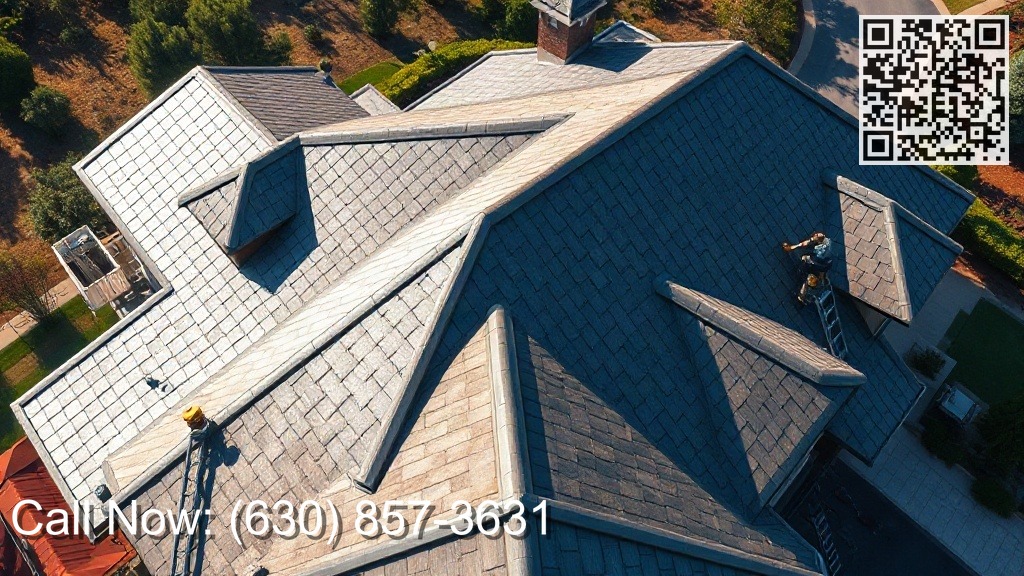
Synthetic roof covering shingles can do well here since many continue to be more adaptable than standard brittle materials in really winter. That flexibility aids them soak up minor motion without fracturing. On roofing systems that cycle consistently between daytime melting and nighttime refreezing, that attribute is valuable.
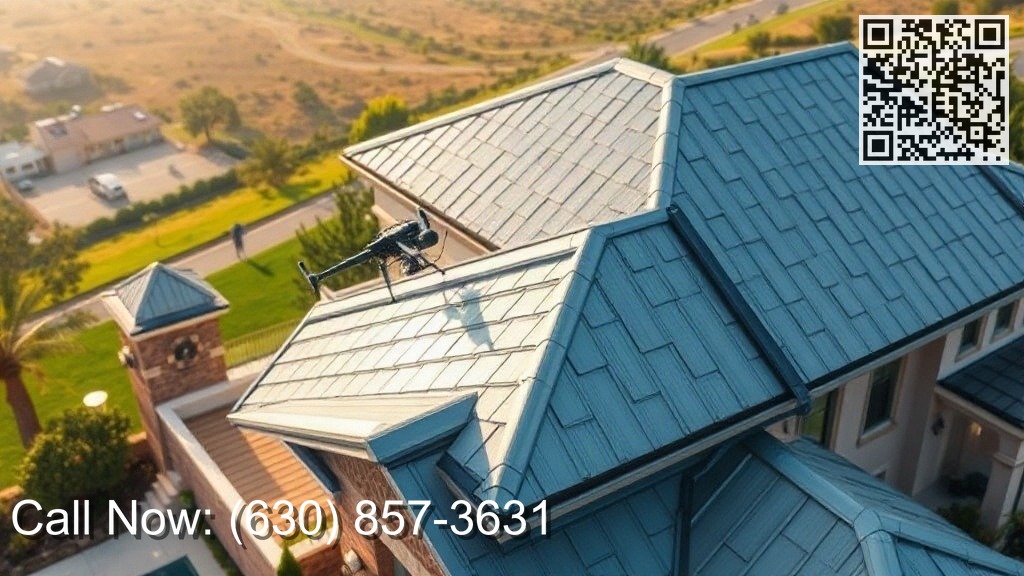
The caveat is that not every synthetic product handles chilly the same way. Some lower-end items become stiff when temperature levels dive. Others might stand up to breaking but still allow wetness invasion if installment information are inadequate. This is why a certified artificial roof covering company pays attention to underlayment option, blinking transitions, ridge air vent details, and eave defense. In snow country, the setting up under the noticeable roofing system issues almost as long as the noticeable roofing system itself.
A roofing in Naperville or the wider Chicagoland location, as an example, may experience several freeze-thaw swings in a single month. On homes that have basilica ceilings, complex valleys, dormers, and lengthy rain gutter runs, those problems can reveal faster ways swiftly. A reliable synthetic professional roofer Chicagoland homeowners trust will examine insulation degrees and attic room airflow prior to making wide assurances about winter months performance.
The function of roofing system pitch and snow shedding
Pitch affects how much snow accumulates and exactly how promptly it moves. Steeper roof coverings tend to drop snow quicker, although structure, temperature level, and sunlight exposure all influence that process. Some synthetic roof tiles have surface accounts that imitate cedar or slate so convincingly that they also influence snow retention. That can be great or negative depending on the design.
If snow releases also quickly in large sheets, it can harm gutters, landscaping, and entrance areas. If it sticks too long on a roofing system with well-known architectural restrictions, the weight can become a problem. The best equilibrium relies on the home. I have seen steep roofing systems where snow guards were required to manage launch, and lower-slope ornamental areas where the larger problem was long term melting at the eaves.
This is where genuine site judgment matters more than pamphlet language. Residential synthetic roof is not one-size-fits-all. 2 houses on the very same road can need various detailing because one has large south-facing roof covering planes over warmed space and the various other has a ventilated attic with mature color trees.
Heat waves check a various collection of properties
Summer punishes roof products in quieter methods. Rather than remarkable ice accumulation or noticeable snowdrifts, you obtain unrelenting UV exposure, thermal development, warm attic room air, and surface area temperature levels that much go beyond the outdoor reading. On a warm day, a dark roofing can end up being warm sufficient to soften low-quality products, accelerate aging, and telegraph flaws that did not show up in milder conditions.
Well-made synthetic roof are developed to stand up to UV degradation and preserve dimensional security under warm. That suggests they should not curl, split, or lose shape merely because the roof covering cooks for days each time. Much better items likewise hold color much more constantly, though every roofing system fades rather in time. The concern is whether that fading takes place progressively and equally, or patchily and prematurely.
Heat waves also expose attaching issues. If tiles broaden and contract repeatedly, poor nailing patterns or not enough attachment can show up as changing, rattling, or distortion. Experienced synthetic roofing installers recognize that warmth efficiency is not practically the shingle formula. It is also concerning spacing, attachment, air flow, and whether the roof deck is completely dry, level, and correctly prepared prior to installation begins.
Why lightweight can assist in both winter months and summer
A lighter roofing product minimizes fixed load in winter months, however it also alters just how staffs deal with installation and future maintenance. Synthetic roof covering roof shingles are usually much easier to stage and move across the roofing than true slate or concrete tile. That can lower breakage throughout installation and make repair work less intrusive if one section is ever before damaged by a fallen arm or leg or severe hail.
In hot weather, lower mass does not automatically suggest a cooler roofing surface. Reflectivity, shade, ventilation, and setting up layout play bigger duties. However lighter items can still profit the home due to the fact that they place much less strain on the framework and frequently simplify retrofit applications. Throughout an artificial roofing system replacement, that can indicate less framing modifications compared to transforming to extremely hefty standard materials.
For higher-end homes, this is especially enticing. Several owners desire the deepness and texture of slate or hand-split cedar without the architectural fines or upkeep migraines. That is a key factor artificial roof for deluxe homes has gained grip. It delivers the visual passion of premium roof while remaining useful for modern-day framing and code expectations.
Ventilation chooses more than a lot of homeowners realize
I have seen roof systems blamed for troubles that were actually attic room issues. A roof covering can only do so a lot if hot, moist air gets caught listed below it. In wintertime, bad ventilation adds to irregular melting, ice dams, and condensation. In summer, it increases deck temperature levels and can age the roof covering from beneath.
Synthetic roofing systems benefit from balanced consumption and exhaust air flow much like various other steep-slope systems. If the attic is under-ventilated, the roofing system might run hotter, and that extra thermal lots can minimize service life. If insulation is uneven, warm indoor air may develop isolated melt zones under snowpack, which is one of the classic arrangements for ice dam formation.
A cautious synthetic roof covering installment normally begins with inquiries past the roof shingles selection itself. How is the attic aired vent? Is the existing decking sound? Are there indications of dampness staining or mold? Are restroom fans wearing down right into the attic as opposed to exterior? A skilled synthetic professional roofer asks these concerns since long-lasting efficiency depends upon the whole assembly, not just the visible finish.
Installation information that matter in extreme weather
Two roof coverings can use the same product and age very differently as a result of craftsmanship. Under snow and heat tension, small details come to be large concerns. Valleys need to relocate water quickly. Flashings around smokeshafts and sidewalls require to stay watertight through growth and tightening. Bolts need correct positioning and depth. Starter programs require to stand up to wind uplift. Underlayment needs to fit the environment, particularly in freeze-thaw regions.
The finest staffs do not rush this work. A synthetic roofing firm with strong field discipline will examine deck monotony, validate the maker's attaching pattern, and follow temperature-specific handling advice. Some synthetics cut easily in awesome weather condition yet end up being much more versatile in straight sunlight. Others require specific storage and hosting so packages do not flaw before setup. These are not attractive details, however they divide long lasting results from pricey callbacks.
Here are the field information I pay the closest attention to on weather-exposed tasks:
- Ice and water security at eaves, valleys, and at risk transitions.
- Ventilation style that matches the home's insulation and roof covering geometry.
- Manufacturer-approved fastening patterns for neighborhood wind and climate demands.
- Flashing combination around penetrations, masonry, and wall surface intersections.
- Product handling throughout really chilly or really warm setup days.
That list looks basic, yet roof covering failings frequently begin in exactly those places.
How synthetics compare to other premium materials
Natural slate remains among one of the most sturdy roofing products available, but it is hefty, pricey, and extremely based on specialized setup ability. Cedar has warmth and personality, yet it needs ongoing maintenance and can weather unpredictably depending on climate and sun exposure. Asphalt shingles recognize and affordable, though typical qualities frequently do not provide the exact same longevity, effect resistance, or building presence as higher-end alternatives.
Architectural artificial roof covering occupies a useful happy medium. It offers homeowners a refined profile with much less weight than slate and much less regular upkeep than cedar. In most cases, it also provides better influence resistance than weak natural products. For homes in environments noted by both snow buildup and warmth spikes, that equilibrium is compelling.
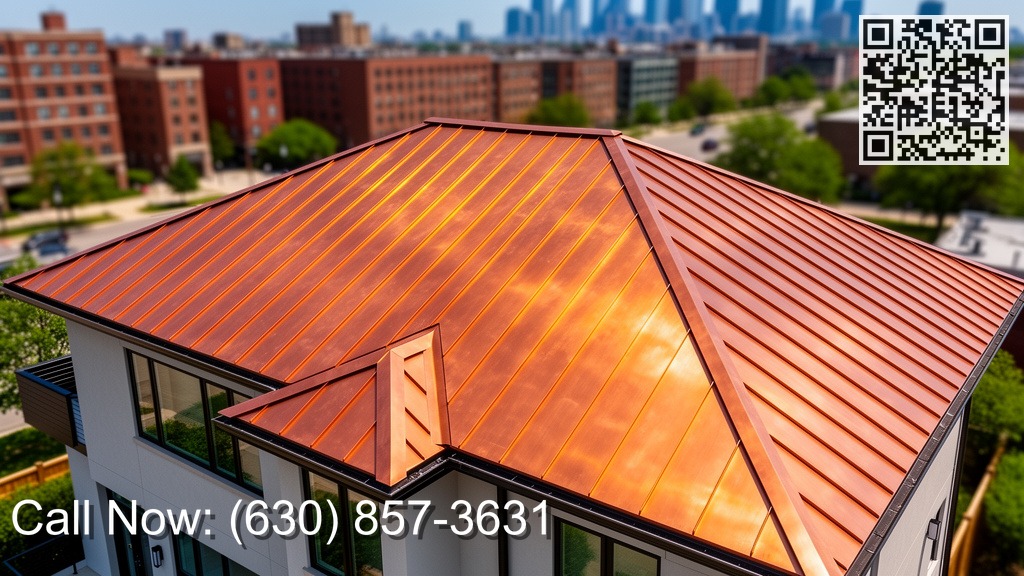
That said, synthetic is not instantly superior in every scenario. A poorly made artificial product can mature terribly. A house owner anticipating a deal rate may be let down, due to the fact that costs artificial roofing frequently sets you back greater than common asphalt. And on historically delicate homes, preservation rules may restrict acceptable item selections. Great decisions originate from matching the product to your home, environment, budget plan, and performance goals.
What property owners in Chicagoland should focus to
A roof covering in this area has to take care of lake-influenced weather condition swings, wet springtime tornados, hail storm pockets, deep cold wave, and hot midsummer stretches. If you are taking into consideration synthetic roofing Naperville IL or elsewhere in the residential areas, ask less concerning advertising buzzwords and even more regarding regional performance history. Just how has the item took care of ice dams? Has the installer utilized it on comparable rooflines? What guarantee assistance exists if a set issue shows up years later?
For synthetic roofing Chicago projects, I would pay specific interest to attic problems and drainage paths. Older homes commonly have air flow traits, patched decking, or enhancements that changed the original air flow. More recent custom homes might have significant roof covering geometry that looks superb but creates concentrated overflow and snow collection zones. Both require mindful planning.
Homeowners need to also recognize that even the best artificial roofing systems gain from routine inspection. After an extreme winter months or an extensive heat wave, a specialist examination can catch little flashing troubles, obstructed vents, or isolated influence damages before they come to be interior leaks.
A few functional concerns deserve asking any kind of synthetic professional roofer prior to finalizing:
- Which artificial products have you set up in your area for at least numerous years?
- How do you take care of ventilation evaluation prior to artificial roof installation?
- What underlayment and ice obstacle information do you define for this climate?
- Who signs up guarantees, and what workmanship insurance coverage do you provide?
- Can you show examples of completed domestic artificial roof covering projects nearby?
Clear solutions normally tell you a whole lot regarding the top quality of the company.
The upkeep reality
One factor house owners incline artificial roof coverings is the guarantee of reduced upkeep. That promise is mostly reasonable, with limits. Artificial roofing roof shingles typically do not need the very same maintenance as cedar, and they prevent a few of the frailty issues connected with natural slate. Yet "reduced upkeep" does not mean "no maintenance."
Debris ought to still be cleared from valleys and rain gutters. Looming branches must still be trimmed back to decrease abrasion and impact threat. Sealers and flashings still age. If snow slides heavily near access or walks, snow management devices may still be required. On huge homes, specifically those with multiple roof covering degrees, regular evaluation continues to be wise insurance.
From a specialist's viewpoint, the best synthetic roofs have a tendency to be the ones that incorporate top quality item selection with self-displined setup and reasonable proprietor assumptions. When those pieces line up, the product typically handles snow tons and warm front very well. When one item is missing, problems follow faster than the sales literature suggests.
Where synthetic tiles make the most sense
Synthetic roof usually radiates on homes where the owner wants a premium appearance, reduced structural lots, much better influence tolerance, and much less upkeep than natural timber or stone. It is additionally a strong prospect for artificial roof covering replacement when an aging roofing needs an upgrade in both aesthetic allure and weather condition performance.
That does not suggest every home needs it. A straightforward ranch with a moderate budget might be much better offered by a top quality architectural asphalt system if the design objectives are functional as opposed to visual. But also for home owners who appreciate long-lasting look, environment resilience, and reduced weight, costs synthetic roof should have a major look.
The toughest tasks I see share an usual characteristic. The home owners are denying a tag, they are buying a system. They select a tested item, demand careful artificial roof installers, address ventilation and insulation, and deal with the roof as part of the home's total building envelope. That is how synthetic roofing shingles earn their reputation in rough climates.
Snow and warmth are not gentle examinations. They reveal weak materials, hurried setup, and bad assembly design. Quality artificial roofing systems can take on both, often remarkably well, yet only when the item and the handiwork are just as solid. That is the common worth holding.
When Quality Matters
Salvo Architectural Roofing Contractors
566 West 5th Ave Naperville, IL 60563
(630) 857-3631
 Ask ChatGPT
 Ask Grok
 Ask Perplexity
 Ask Claude
 Ask Google AI
 Ask You