Architectural Synthetic Roofing That Incorporates Charm and Weather Condition Resistance
The roof conversation has actually transformed a fair bit over the last years. Property owners still care about curb charm, resale worth, and just how a roof covering enhances block, stone, stucco, or cedar house siding. However weather has become a much larger component of the choice. Hail, freeze-thaw cycles, hefty rain, wind uplift, ice dam risk, and increasingly sharp temperature swings have pushed numerous purchasers to look past traditional materials. That is where building synthetic roofing has earned actual attention.
For the ideal home, an artificial roof covering can supply a look that feels upscale and historically proper while taking care of rough conditions with even more consistency than numerous all-natural items. I have seen house owners fall in love with the appearance of slate or hand-split cedar shake, then go back once they understand the weight, maintenance needs, and installation intricacy. Premium artificial roof typically goes into the picture at exactly that minute, when appearance still matters, but performance begins to drive the decision.
This is particularly real in markets with four distinctive seasons and requiring tornado patterns. In position where wintertime can be punishing and summertime tornados hit hard, home owners want a roof that looks fine-tuned without coming to be an upkeep task every few years. That balance, elegance plus resilience, is the reason synthetic roofing systems have actually relocated from niche option to serious contender.
Why synthetic roofing has obtained traction
Traditional roof covering materials still have their location. All-natural slate remains among the most gorgeous roofing items ever before utilized on a home. Cedar shake has warmth and measurement that is difficult to duplicate. Clay floor tile brings apparent character. Yet each of those materials includes compromises. Weight is often the initial problem. Frailty, upkeep, specialized labor, and repair service matching are close behind.
Architectural synthetic roof covering was established to answer those issues without creating a flat, plastic-looking outcome. The better items on the marketplace are built with deep texture, varied sides, and color blends that imitate all-natural materials remarkably well from the road and, in many cases, from simply a few feet away. Not all items are equivalent, and experienced eyes can tell the difference between entry-level and premium artificial roof covering. Still, the top rate has come a lengthy way.
Homeowners checking out domestic artificial roof are typically trying to address one of three issues. They desire the appearance of slate or shake without the structural load. They want a more weather-resistant option to timber. Or they are changing a roof covering on a personalized home and desire something that fits the architecture without locking themselves right into delicate materials.
That last classification is expanding. Artificial roof covering for high-end homes is no longer dealt with as a concession. On several homes, it is the deliberate choice.
The visual appeal is a lot more sophisticated than numerous expect
One of the largest misunderstandings about synthetic roof covering tiles and ceramic tiles is that they all look obviously made. Some do. Usually, those are lower-cost items with repeated patterns, superficial structure, and color that feels painted on rather than incorporated right into the item. However well-crafted architectural artificial roof is different.
Manufacturers now construct items with staggered widths, shadow lines, molded grain patterns, and varied edge treatment that create a more natural roofscape. That matters greater than individuals understand. A beautiful roof covering is not almost color. It is about deepness, rhythm, and small inconsistency. All-natural products have blemishes, and good artificial design comprehends that.
On a large home, especially one with famous roof aircrafts, dormers, turrets, or high inclines, visual rep can destroy the impact. A premium artificial roofing product avoids that toy-like uniformity. I have seen synthetic slate on homes with limestone exteriors where visitors presumed it was quarried stone till they were told otherwise. I have actually also seen artificial shake on transitional and French country homes that maintained the warmth of cedar without the same vulnerability to wetness biking and splitting.
The secret is matching the item to the architecture. A synthetic slate account might be optimal for a Tudor, Colonial, or stone estate home. A shake profile typically works better on artisan, lake-style, rustic, and certain modern customized homes. The roofing needs to enhance the home's style language, not take on it.
Performance issues most when the weather transforms bad
A roofing can look superb on a sunny afternoon and still stop working where it counts. The real examination comes throughout wind-driven rainfall, freeze-thaw cycles, and impact events. This is where many synthetic roofing systems differentiate themselves.
Quality artificial materials are generally engineered to withstand cracking, moisture absorption, and impact damages much better than several all-natural options. That does not mean every item is undestroyable. It means the material is made with movement, temperature level variation, and impact resistance in mind. In chilly environments, that adaptability can be a significant benefit. Fragile materials do not forgive a lot when temperature levels drop.
In the Chicago region, this shows up continuously. Property owners looking for synthetic roofing Chicago remedies are frequently balancing visual objectives with practical issues about hail storm, wintertime snow load, blinking performance, attic air flow, and ice administration. A beautiful roofing system that does not incorporate well with these truths is not a costs selection, whatever the pamphlet says.
I have actually walked roofs in late wintertime where the material itself was still in good shape, but the system had actually suffered because information were hurried. Valley steel was undersized. Ice and water membrane protection was minimal. Ridge vent intake balance was bad. Pipeline flashings were poor quality. Synthetic roof installment does well when the installer treats the roofing system as a full setting up, not simply a field of attractive pieces.
That is one reason selecting the appropriate synthetic roofing contractor matters as long as selecting the material.
Lightweight does not imply light duty
One of one of the most useful benefits of artificial roofs is weight. Natural slate is heavy sufficient that some homes require architectural testimonial or support prior to installment. That can add price and intricacy promptly. Artificial alternatives can usually attain a similar aesthetic impact at a portion of the weight.
For older homes or remodellings where the existing framework is sound yet not overbuilt, this issues. It can make a synthetic roof substitute practical where natural slate would certainly be unrealistic. It can likewise lower stress on framework gradually. That does not suggest weight is the only engineering aspect, but it is a significant one.
Lightweight materials additionally often tend to streamline transportation, staging, and handling on the jobsite. That can minimize damage during installment and ensure building problems much easier to manage. On high roof coverings with cut-up geometry, smokeshafts, valleys, and eyebrow information, installer control matters. A product that can be functioned easily without continuous damage helps preserve timetable and finish quality.
The installation is where good intents either hold up or fail
A polished sample board can make practically any kind of roof covering product appearance appealing. What separates a resilient roof covering from a costly disappointment is execution. Synthetic roofing installers need to understand layout, direct exposure, fastening requirements, accessory compatibility, air flow, drainage aircrafts, and neighborhood weather condition demands.
That appears fundamental, but not every artificial roof business comes close to the work with the exact same level of technique. Some staffs have strong asphalt roof shingles experience yet restricted knowledge with artificial slate or shake systems. Others know just how to install the field product however pay too little focus to shifts, penetrations, and side details. Those are the areas where leaks usually begin.
A proper synthetic roof installment starts prior to the very first piece takes place the roof covering. The decking needs to be checked. Rotten or delaminated sheathing should be changed. Underlayment option ought to fit the home, the incline, and the environment. In colder regions, membrane coverage at eaves and valleys should have unique attention. Blinking information require to be prepared, not improvised.
The cleanest tasks generally share a few practices:
- The installer follows the maker's fastening pattern and exposure standards exactly.
- The team blends product from numerous packages or pallets to avoid color blocking.
- Flashings, valleys, hips, ridges, and infiltrations are dealt with as visual information along with waterproofing details.
- Ventilation is examined as part of the roofing system, not left as an afterthought.
- Final punch job consists of close inspection of trim lines, seal factors, and jobsite cleanup.
That might seem uncomplicated, but these are the information customers remember years later on. A roof can carry out well and still look sloppy if training courses stray, flashings feel extra-large, or ridge details are improperly proportioned. On a personalized home, those concerns are simple to spot.
What home owners need to learn about long life and maintenance
Many purchasers checking out artificial roof shingles want one straightforward response: for how long will it last? The honest solution depends on the item, the climate, installment high quality, air flow, and just how exposed the home is to severe climate. It is much more accountable to chat in arrays than absolutes.
Well-made artificial roofing systems are commonly made for lengthy service life and lower upkeep than timber shake. They generally resist rot, insect damage, and a lot of the moisture-related problems that natural timber can deal with over time. Compared to fragile all-natural materials, many artificial items likewise deal with foot traffic and subordinate influence better, though no roofing system must be dealt with casually.
Maintenance is typically lighter, not nonexistent. Debris should still be gotten rid of from valleys. Gutters still need interest. Overhanging branches still create wear and shade-related moisture issues. Sealants and flashings still age. After severe tornados, assessments are still wise.
One point I frequently tell homeowners is that a low-maintenance roofing system does not suggest a no-observation roofing. A ten-minute visual check from the ground after a significant storm can catch problems early, especially if a branch dropped or metal trim was affected.
Cost, value, and where the mathematics makes sense
Synthetic roofing is not the bargain-bin alternative, and it ought to not be sold in this way. Costs artificial roofing typically costs more than basic architectural asphalt roof shingles. In a lot of cases, substantially more. Yet the comparison is usually wrong from the beginning. Purchasers normally are passing by in between spending plan tiles and synthetic slate because the goals are different.
A much more reasonable comparison is in between artificial roof covering and all-natural slate, cedar shake, or other architecturally unique products. Because context, synthetic can supply significant value. The material may set you back less than the all-natural version, installation can be more reliable, structural upgrades might be prevented, and upkeep demands may be reduced over time.
For house owners intending to stay long-term, that formula typically functions. For high-end resale buildings, the aesthetic payback can matter also. A roof inhabits a substantial percentage of the visible exterior. It is hard to overstate just how much the ideal roofing can elevate a home's presence.
Still, trade-offs exist. If a property owner desires the precise aging pattern, tactile feel, and historical pureness of authentic slate or hand-split cedar, synthetic may not completely replace that experience. It can come extremely close aesthetically, yet it is still a manufactured product. For some customers, credibility continues to be the choosing aspect. For others, efficiency wins.
Regional judgment matters, particularly in Chicagoland
Products do not execute in a vacuum cleaner. What functions wonderfully in a light https://devinakhf902.publishlane.com/posts/building-synthetic-roof-covering-for-residence-battling-ice-rainfall-and-warmth environment may encounter different anxieties in the Midwest. That is why homeowners looking for an artificial roofing contractor Chicagoland must prioritize local experience, not simply general roof credentials.
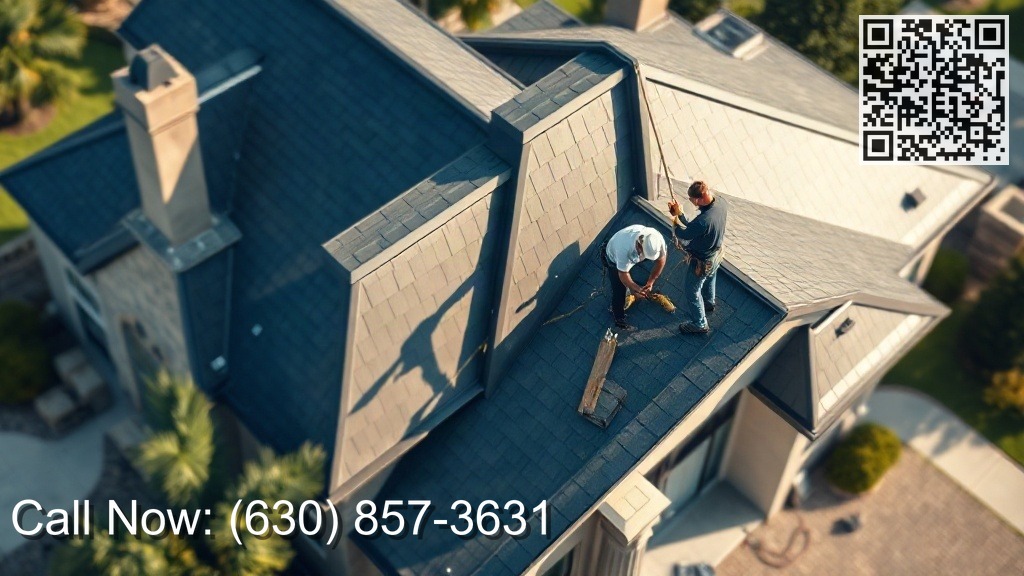
Chicagoland roofing systems manage wind, snow, ice, sun direct exposure, springtime tornados, and large temperature level variant. Particular communities likewise have stricter visual assumptions or house owners organization needs. In neighborhoods with bigger custom-made homes, such as those where artificial roof covering Naperville IL questions prevail, customers typically want a roof that looks upscale from every angle, including second-story sightlines and bordering properties.
This is where local judgment assists. An experienced professional can encourage on account choice, shade mix, snow retention considerations, underlayment choices, and air flow method that make good sense for your home and the area. They can likewise identify whether the style of the home would gain from larger exposures, much more noticable shadow lines, or even more controlled detailing.
I have actually seen homes boost drastically when the proprietor changed from a common tile frame of mind to a whole-roof layout attitude. Material choice became part of the architecture, not simply the upkeep budget.
Questions worth asking before you commit
If you are reviewing a synthetic roofing company, the conversation should exceed brochures and warranty language. Ask the amount of comparable projects they have actually finished. Ask for addresses or pictures of completed homes with building problems equivalent to your own. Ask that takes care of blinking fabrication, exactly how they take care of shade mixing on site, and whether they inspect attic ventilation before pricing estimate the job.
A few smart questions can conserve a lot of stress:
- Is the product intended to simulate slate, shake, or another material, and does that fit the design of my home?
- What underlayment, blinking, and air flow upgrades do you suggest for my environment and roofing design?
- How does this artificial roofing substitute compare in weight and upkeep with the product I have now?
- Who will manage the installment, and does the crew have specific experience with this product line?
- What parts of the roof covering system are most at risk if details are rushed or value-engineered?
An expert artificial roofer ought to answer those concerns plainly, without dispersing into generic sales language.
The ideal synthetic roofing systems feel intentional, not imitative
The greatest jobs do not try to deceive every person into believing the material is something it is not. Instead, they deliver the spirit and aesthetic richness of slate or cedar while welcoming the useful advantages of modern-day engineering. That difference matters.
When architectural artificial roof is succeeded, the outcome feels cohesive. The lines are tidy. The appearance fits the home. The color deepness supports the outside combination. The roofing system manages weather with confidence. Years later, the owner still likes taking a look at your house, and they are not bracing for the maintenance shocks that frequently accompany a lot more fragile natural materials.
That is the actual charm. Elegance alone is inadequate, and weather resistance alone is insufficient. Home owners desire both. They desire a roof covering that adds to the character of the home on a clear day and holds its ground in the center of a storm.
For lots of homes, especially customized residences and high-visibility remodels, artificial roofs now use among the most well balanced solutions on the marketplace. With the right item, the ideal installer, and the right attention to system details, they can give the style individuals connect with old-world products and the toughness required by contemporary climate. That combination is not a trend. It is excellent structure judgment.
When Quality Matters
Salvo Architectural Roofing Contractors
566 West 5th Ave Naperville, IL 60563
(630) 857-3631
 Ask ChatGPT
 Ask Grok
 Ask Perplexity
 Ask Claude
 Ask Google AI
 Ask You